
If you’re running trucks daily, you already know inspections aren’t optional; they’re part of staying on the road. But what many operators don’t realize is how detailed these inspections have become. It’s not just about checking a few boxes anymore. Inspectors are looking closely at safety, compliance, and overall vehicle condition. That’s why relying on DOT inspection services isn’t just about passing, it’s about keeping your operation running without interruptions.
What a DOT Inspection Really Covers
A DOT inspection is a full check of your truck and trailer to make sure everything meets safety standards. It’s designed to catch issues before they turn into hazards on the road.
Inspectors typically focus on:
Brake systems
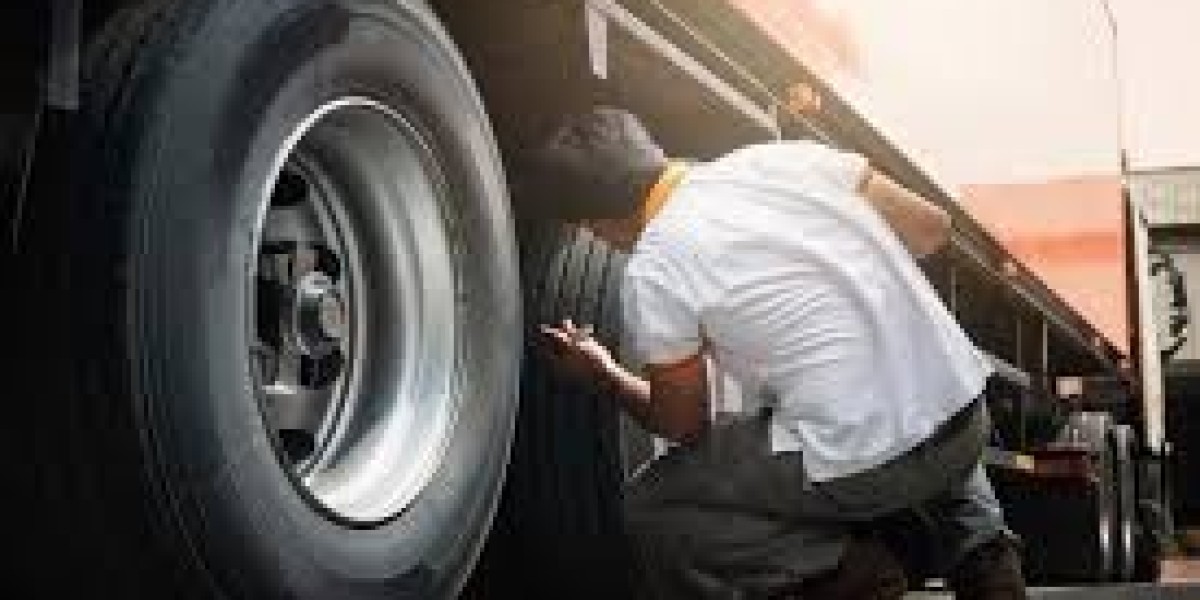
Tires and wheels
Lights and electrical systems
Suspension components
Steering mechanisms
Exhaust systems
Safety equipment
These aren’t random checks. Each component plays a role in keeping your vehicle safe and compliant.
Why Inspections Matter for Daily Operations
A failed inspection doesn’t just mean a fine; it can shut your truck down immediately. That means lost time, missed loads, and extra costs.
For fleets running tight schedules, even one failed inspection can:
Delay deliveries
Disrupt dispatch planning
Impact customer relationships
Reduce overall fleet efficiency
Passing inspections consistently keeps your operation predictable. And in this business, predictability is everything.
The Most Common Reasons Trucks Fail Inspections
Most inspection failures aren’t caused by major breakdowns. They come from small, overlooked issues.
Here are some of the most common problems:
Brake Violations
Worn brake pads, air leaks, or uneven braking are the top reasons trucks get flagged.
Tire Issues
Low tread depth, uneven wear, or improper inflation can lead to immediate violations.
Lighting Problems
Broken or dim lights are easy to miss but quick for inspectors to catch.
Suspension Wear
Loose or damaged suspension parts affect stability and safety.
Fluid Leaks
Oil or coolant leaks are seen as both safety and environmental risks.
The key takeaway? Most of these issues are preventable with regular checks.
Levels of DOT Inspections Explained
Not all inspections are the same. There are different levels, and each one checks specific areas.
Level 1: Full Inspection
This is the most detailed. It includes both vehicle and driver checks, covering everything from brakes to paperwork.
Level 2: Walk-Around Inspection
A less invasive version of Level 1. Inspectors check visible components without going under the vehicle.
Level 3: Driver-Only Inspection
Focuses on driver credentials, logs, and compliance with regulations.
Level 4: Special Inspection
Targets specific items based on trends or concerns, like a focus on brakes or tires.
Level 5: Vehicle-Only Inspection
Similar to Level 1 but without the driver present.
Understanding these levels helps you prepare your trucks and drivers for what to expect.
How Modern Fleets Stay Inspection-Ready
Staying ready for inspections isn’t about last-minute fixes. It’s about building habits that keep your equipment in good shape all the time.
Here’s what works:
Consistent Pre-Trip Inspections
Drivers should check key components before every trip. This is your first line of defense.
Post-Trip Reporting
Catching issues after a run helps you fix problems before the next trip.
Scheduled Maintenance
Regular servicing keeps wear and tear under control.
Organized Documentation
Keeping logs, permits, and inspection records in order avoids unnecessary delays.
Using DOT inspection services as part of your routine can help standardize these processes and reduce the chances of surprises.
The Role of Drivers in Passing Inspections
Drivers play a huge role in inspection success. They’re the ones operating the equipment daily, so they notice problems first.
But for this to work:
Drivers need to know what to look for
Reporting should be simple and quick
Maintenance teams must act on feedback
If drivers feel their concerns are ignored, small issues get overlooked. That’s when failures happen.
Technology and DOT Compliance
You don’t need complicated systems to stay compliant, but the right tools can make things easier.
Many fleets are now using:
ELD systems for accurate logs
Mobile apps for inspection checklists
Telematics for tracking vehicle health
Even basic tools can help you stay organized and reduce paperwork. The goal isn’t to add complexity, it’s to save time and avoid mistakes.
Common Mistakes Fleets Make
Even experienced operators run into issues when it comes to inspections.
Waiting Until the Last Minute
Trying to fix everything right before an inspection often leads to missed details.
Ignoring Minor Issues
Small problems like lights or tire wear can still cause failures.
Poor Record-Keeping
Missing paperwork can delay or fail an inspection.
Inconsistent Maintenance
Skipping routine checks leads to bigger problems over time.
Avoiding these mistakes can improve your pass rate and reduce downtime.
Practical Steps to Improve Inspection Outcomes
If you want to pass inspections consistently, focus on simple, repeatable actions:
Train drivers on inspection basics
Use checklists for daily inspections
Fix issues as soon as they’re reported
Keep maintenance records updated
Schedule regular professional inspections
These steps don’t require a big investment, but they make a big difference in staying compliant.
The Bottom Line
DOT inspections aren’t just about compliance; they’re about keeping your trucks safe, your drivers protected, and your business running without disruptions.
When you stay ahead of maintenance and keep your equipment in good condition, inspections become routine instead of stressful. That’s how experienced fleets operate.
If you want fewer surprises and more control over your operations, working with DOT inspection services is a practical move. It helps you stay ready, avoid costly failures, and keep your trucks moving without unnecessary downtime.