
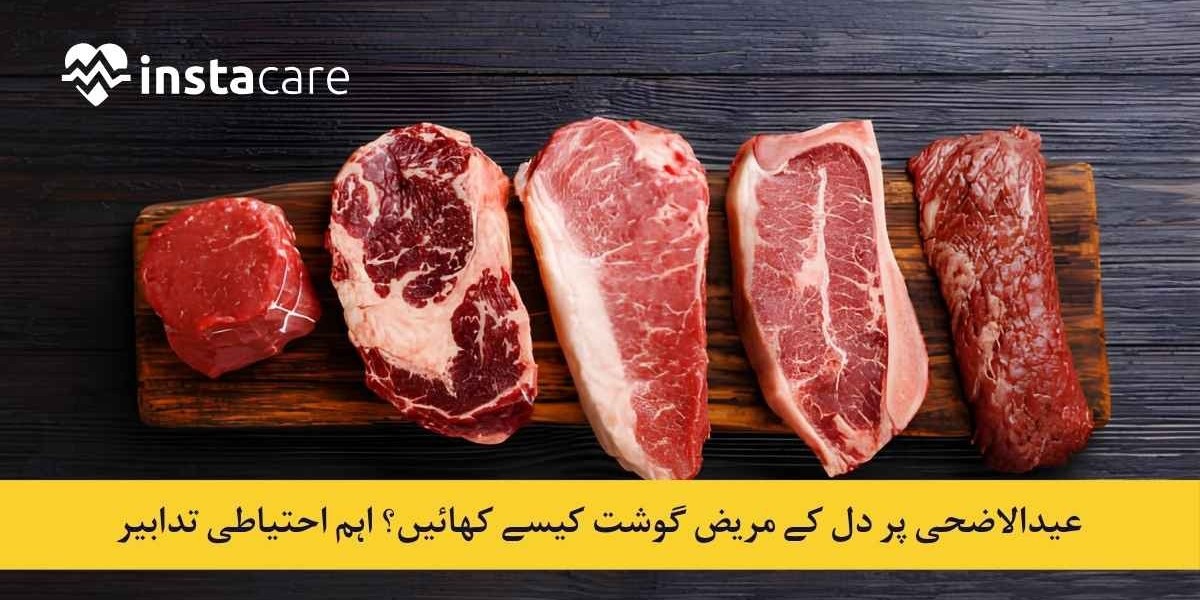

Eid ul Adha is a time of celebration, family gatherings, and delicious food—especially meat-based dishes. For people living with Cardiovascular Disease, however, festive meals can present dietary challenges. Rich foods, excessive red meat, salty dishes, and sugary desserts may increase the risk of heart-related complications. The good news is that heart patients do not need to skip Eid celebrations. With smart food choices, proper portion control, and healthy cooking methods, they can safely enjoy the occasion while protecting their heart health. Here’s a complete guide to what to avoid and what to eat during Eid.
Why Heart Patients Need Special Dietary Care During Eid
People with heart conditions such as coronary artery disease, heart failure, or previous heart attacks must pay close attention to their diet. During Eid, eating habits often change dramatically, with increased consumption of meat, fried snacks, sweets, and salty foods. These foods can raise blood pressure, cholesterol, and blood sugar levels, placing extra strain on the heart. Sudden overeating may also trigger chest discomfort, indigestion, or fluid retention. Careful meal planning helps heart patients celebrate safely while minimizing unnecessary cardiovascular risks during the festive season.
Foods Heart Patients Should Avoid During Eid
Some traditional Eid foods can be particularly harmful for heart patients if consumed in excess. Fatty red meat, organ meat, deep-fried kebabs, creamy gravies, processed sausages, and salty snacks should be limited or avoided. These foods are often high in saturated fat, sodium, and cholesterol, all of which may worsen heart disease. Sugary desserts and soft drinks can also contribute to weight gain and poor metabolic health. Avoiding these foods doesn’t mean missing out—it means making healthier substitutions to protect your heart.
Limit Red Meat and Choose Lean Protein Sources
Red meat is central to Eid ul Adha, but excessive consumption can increase cholesterol and saturated fat intake. Heart patients should limit portion sizes and choose lean cuts of meat. Trim visible fat before cooking and avoid fatty parts. Skinless chicken, fish, and plant-based proteins can also be excellent alternatives. Rotating protein sources helps reduce cardiovascular risk while still allowing you to enjoy festive meals. Moderation is the key—not complete restriction.
Avoid Deep-Fried and Oily Foods
Many Eid favorites such as samosas, fried kebabs, and oily curries are delicious but not heart-friendly. Fried foods contain unhealthy fats that may raise bad cholesterol (LDL) and increase inflammation. Instead, opt for grilled, baked, roasted, or steamed dishes. These cooking methods preserve flavor while significantly reducing oil intake. Healthier preparation techniques allow heart patients to enjoy traditional flavors without adding unnecessary stress to their cardiovascular system.
Watch Your Salt Intake Carefully
Salt is a hidden danger during Eid meals. High sodium intake can cause fluid retention, increase blood pressure, and worsen heart conditions such as heart failure. Many marinades, spice mixes, sauces, and restaurant foods contain excessive sodium. Use fresh herbs, garlic, lemon juice, and natural spices for flavor instead of extra salt. Reading labels on packaged foods and avoiding processed snacks can also help reduce sodium exposure and protect heart health.
Fill Half Your Plate with Vegetables
A heart-healthy Eid plate should not be all meat. Vegetables provide essential fiber, vitamins, and antioxidants that support cardiovascular health. Salads, steamed vegetables, grilled peppers, cucumbers, carrots, and leafy greens help balance heavier foods and improve digestion. Fiber also helps control cholesterol and keeps you feeling full, reducing the risk of overeating. A colorful, balanced plate supports better health while still allowing room for festive treats.
Choose Whole Grains Instead of Refined Carbohydrates
Refined carbohydrates such as white bread, naan, and sugary desserts can spike blood sugar and contribute to weight gain. Instead, choose whole grains like brown rice, whole wheat chapati, oats, or barley when possible. These options provide more fiber and help maintain steady energy levels. Heart patients often benefit from reducing refined carbs because it improves metabolic health and supports better long-term cardiovascular outcomes.
Stay Hydrated and Limit Sugary Drinks
Hydration plays an important role in heart health, especially during busy festive days. Drinking enough water supports circulation and helps regulate blood pressure. Replace sugary sodas and packaged juices with water, infused water, or unsweetened drinks. Excess sugar contributes to weight gain, diabetes risk, and inflammation—all harmful for heart patients. Proper hydration also helps reduce fatigue and supports better digestion after heavier Eid meals.
Eat Smaller, More Frequent Meals
Overeating in one sitting can put unnecessary strain on the heart and digestive system. Large meals may lead to bloating, shortness of breath, or chest discomfort in some patients. Instead of eating one large meal, try smaller portions throughout the day. This approach supports better digestion, more stable blood sugar, and improved energy levels. Eating slowly also helps the body recognize fullness, reducing the risk of overeating.
Don’t Skip Your Heart Medications
Festive routines can be distracting, but heart medications should never be missed. Continue taking your prescribed medicines exactly as directed, even during travel or family gatherings. Keep medications easily accessible and set reminders if needed. If you use devices to monitor blood pressure or heart rate, continue checking regularly during Eid. Staying consistent with treatment is one of the most important ways to protect your heart while celebrating.
Book Online Appointment with Best Cardiologist via InstaCare
If you have Cardiovascular Disease or any heart-related concerns, consulting a qualified Cardiologist before Eid can help you celebrate more safely. A cardiologist can advise you on diet, medications, and lifestyle changes tailored to your condition. With InstaCare, you can easily book an online appointment with the best cardiologist and receive expert guidance from the comfort of your home.
Conclusion
Heart patients can absolutely enjoy Eid ul Adha—but smart choices matter. By limiting fatty meat, reducing salt, avoiding fried foods, choosing vegetables and whole grains, staying hydrated, and continuing medications, you can celebrate safely without compromising your heart health. Eid is about joy, family, and gratitude—and with the right habits, it can also be healthy.
FAQs
1. Can heart patients eat red meat during Eid ul Adha?
Yes, but only in moderation and preferably lean cuts with visible fat removed.
2. Is grilled meat better than fried meat for heart patients?
Yes, grilled, baked, or roasted meat contains less unhealthy fat and is much better for heart health.
3. Why should heart patients avoid salty foods during Eid?
Too much salt can raise blood pressure and cause fluid retention, increasing stress on the heart.
4. Are sweets harmful for heart patients during Eid?
Excessive sweets can contribute to weight gain, high blood sugar, and inflammation, so they should be limited.
5. Should heart patients consult a doctor before Eid?
Yes, especially if they have recent symptoms or medication concerns. A cardiologist can provide personalized dietary and health advice.