
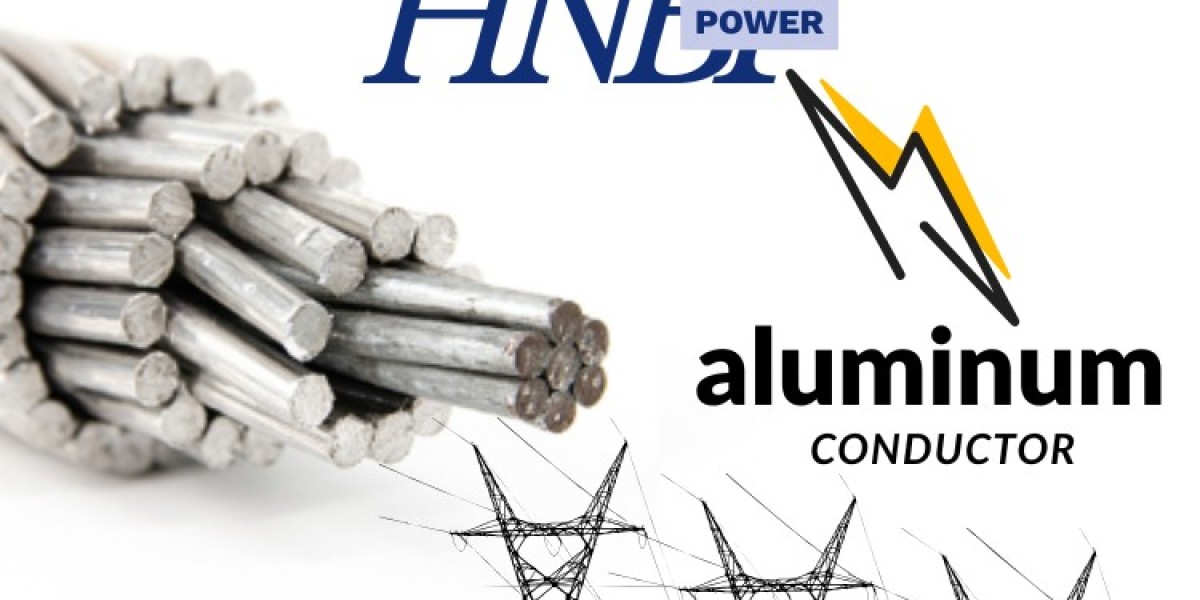

In modern electrical power systems, the demand for efficient, lightweight, and cost-effective transmission materials continues to grow. One of the most widely used materials in overhead line construction is the aluminum conductor. Known for its excellent conductivity-to-weight ratio, corrosion resistance, and economic advantages, aluminum-based conductors have become the backbone of medium and high-voltage power distribution networks worldwide.
For utilities, EPC contractors, and procurement engineers, selecting the right aluminum conductor type is essential for ensuring system reliability, reducing transmission losses, and optimizing project cost. HNBF Power, a global manufacturer of overhead conductors and power cables, provides a wide range of solutions designed to meet these evolving industry requirements.
What is an Aluminum Conductor?
An aluminum conductor is an electrical conductor primarily made from aluminum or aluminum alloy, used to transmit and distribute electrical power in overhead and underground systems. Compared to copper, aluminum offers a lighter weight and lower cost while maintaining strong electrical performance, making it ideal for large-scale transmission projects.
Aluminum conductors are widely used in:
- Overhead transmission lines
- Distribution networks
- Substation interconnections
- Rural electrification projects
- Industrial power supply systems
Types of Aluminum Conductors
Understanding different aluminum conductor types helps engineers select the right solution based on mechanical strength, environmental conditions, and load requirements.
1. AAC (All Aluminum Conductor)
AAC is made entirely of aluminum strands. It is highly conductive and suitable for short-distance distribution lines, especially in urban areas where spacing between poles is limited.
Key advantages:
- High conductivity
- Excellent corrosion resistance
- Lightweight and easy installation
However, AAC has lower tensile strength, making it less suitable for long-span transmission.
2. AAAC (All Aluminum Alloy Conductor)
AAAC is made from aluminum alloy, providing improved mechanical strength compared to AAC while maintaining good conductivity.
Key advantages:
- Higher strength-to-weight ratio
- Better corrosion resistance in coastal and industrial environments
- Reduced sag in overhead lines
AAAC is widely used in medium and long-span distribution networks.
3. ACSR (Aluminum Conductor Steel Reinforced)
ACSR combines aluminum strands with a steel core, offering a balance between conductivity and tensile strength.
Key advantages:
- High mechanical strength for long spans
- Suitable for high-voltage transmission lines
- Cost-effective for large grid networks
ACSR is one of the most commonly used conductors in national grid systems.
4. ABC Cable (Aerial Bundled Cable)
ABC consists of insulated aluminum conductors bundled together. It is designed for overhead distribution in urban and rural areas where safety and space constraints are critical.
Key advantages:
- Reduced risk of short circuits
- Enhanced safety in densely populated areas
- Low maintenance requirements
5. LV Power Cable & Concentric Cable
Aluminum is also widely used in low-voltage underground cables and concentric cable designs for residential and industrial distribution systems.
Key Advantages of Aluminum Conductors
1. Lightweight Construction
Aluminum is significantly lighter than copper, reducing mechanical load on towers and supporting structures. This allows for longer spans and lower infrastructure costs.
2. Cost Efficiency
One of the biggest advantages is affordability. Aluminum conductors provide a lower material cost while maintaining efficient electrical performance.
3. Corrosion Resistance
Aluminum naturally forms an oxide layer that protects it from environmental corrosion, making it suitable for harsh climates.
4. High Conductivity-to-Weight Ratio
Although copper has higher conductivity per unit volume, aluminum offers a superior conductivity-to-weight ratio, which is critical in overhead transmission design.
5. Easy Installation and Maintenance
Due to their lighter weight, aluminum conductors are easier to transport, install, and maintain, reducing overall project execution time.
Engineering Considerations for Aluminum Conductor Selection
When selecting an aluminum conductor, engineers must consider several technical factors:
- Current carrying capacity (ampacity)
- Mechanical tensile strength and sag behavior
- Environmental conditions (coastal, desert, industrial zones)
- Span length and tower design
- System voltage level
- Thermal expansion characteristics
Proper selection ensures optimal performance, reduced line losses, and long-term system stability.
Role of HNBF Power in Aluminum Conductor Manufacturing
HNBF Power specializes in the design and manufacturing of high-quality overhead conductors including AAC, AAAC, ACSR, and ABC cable solutions. With a strong focus on utility-grade performance and international standards compliance, HNBF Power supports global transmission and distribution projects with reliable and engineered conductor systems.
The company integrates advanced manufacturing processes, strict quality control, and material testing to ensure every aluminum conductor meets the mechanical and electrical demands of modern power grids.
Whether it is a rural electrification project or a high-voltage transmission expansion, HNBF Power delivers tailored solutions that align with project specifications and environmental challenges.
Applications of Aluminum Conductors in Modern Infrastructure
Aluminum conductors are widely used in:
- National grid transmission systems
- Renewable energy integration (solar and wind farms)
- Industrial power distribution
- Urban electrification projects
- Railway and transport electrification systems
Their adaptability makes them a preferred choice for both developing and developed power networks.
Future Trends in Aluminum Conductors
The power industry is moving toward smarter, more efficient grid systems. Aluminum conductors are evolving with:
- High-temperature low-sag (HTLS) designs
- Advanced alloy compositions for improved strength
- Enhanced insulation for safety-focused distribution
- Integration with smart grid infrastructure
These innovations ensure aluminum conductors remain a core component of future power transmission systems.
FAQs about Aluminum Conductors
1. Why is aluminum used instead of copper in overhead lines?
Aluminum is lighter, more cost-effective, and offers a better strength-to-weight ratio, making it ideal for overhead transmission systems.
2. What is the difference between AAC, AAAC, and ACSR conductors?
AAC is pure aluminum, AAAC is aluminum alloy with higher strength, and ACSR combines aluminum with a steel core for maximum mechanical strength.
3. Are aluminum conductors suitable for long-distance transmission?
Yes, especially ACSR conductors, which are designed for long-span and high-voltage transmission lines.
4. Do aluminum conductors corrode easily?
No, aluminum naturally forms a protective oxide layer, making it highly resistant to corrosion.
5. How does HNBF Power ensure conductor quality?
HNBF Power uses strict quality control, advanced manufacturing processes, and standardized testing to ensure durability, performance, and compliance with international standards.
Conclusion
The aluminum conductor remains a critical component in modern electrical power systems due to its efficiency, cost-effectiveness, and adaptability. From AAC and AAAC to ACSR and ABC cables, each type serves a specific role in transmission and distribution networks.
With growing global energy demand and infrastructure expansion, selecting the right conductor has become more important than ever for engineers and procurement teams.
HNBF Power continues to support global power projects with high-performance aluminum conductor solutions designed for reliability, efficiency, and long-term value.
Contact HNBF Power
For customized aluminum conductor solutions tailored to your transmission or distribution project requirements, contact HNBF Power today and get expert engineering support for your next power infrastructure development.