
The global landscape of employment has undergone a seismic shift over the last few years, giving rise to a new breed of traveler: the digital nomad and the "workation" enthusiast. No longer confined to traditional office spaces, millions of professionals are now seeking destinations where they can balance their career responsibilities with the rejuvenation of travel. Creating travel packages for this demographic requires a fundamental departure from standard vacation planning. While a typical tourist might prioritize sightseeing and nightlife, the remote work traveler prioritizes infrastructure, ergonomics, and reliable connectivity. For travel professionals, this shift represents a massive opportunity to tap into a high-value market that tends to book longer stays and travel during off-peak seasons, provided the packages meet their very specific professional needs.
The Essential Components of a Workation Package
A high-quality workation package must be built on the pillars of productivity and wellness. Beyond the physical workspace, agents should consider including memberships to local co-working spaces or access to executive lounges within the hotel. Connectivity is the most critical component; therefore, offering a backup "connectivity kit" which might include a portable Wi-Fi hotspot or a local SIM card with a large data allowance can be a major selling point. Additionally, the package should address the "after-hours" experience. Since these travelers are working during the day, they need curated evening experiences or weekend excursions that allow them to decompress quickly without the stress of planning. This blend of business-grade infrastructure and leisure-focused amenities is what distinguishes a professional workation package from a standard holiday booking.
Selecting the Right Destinations for Remote Work
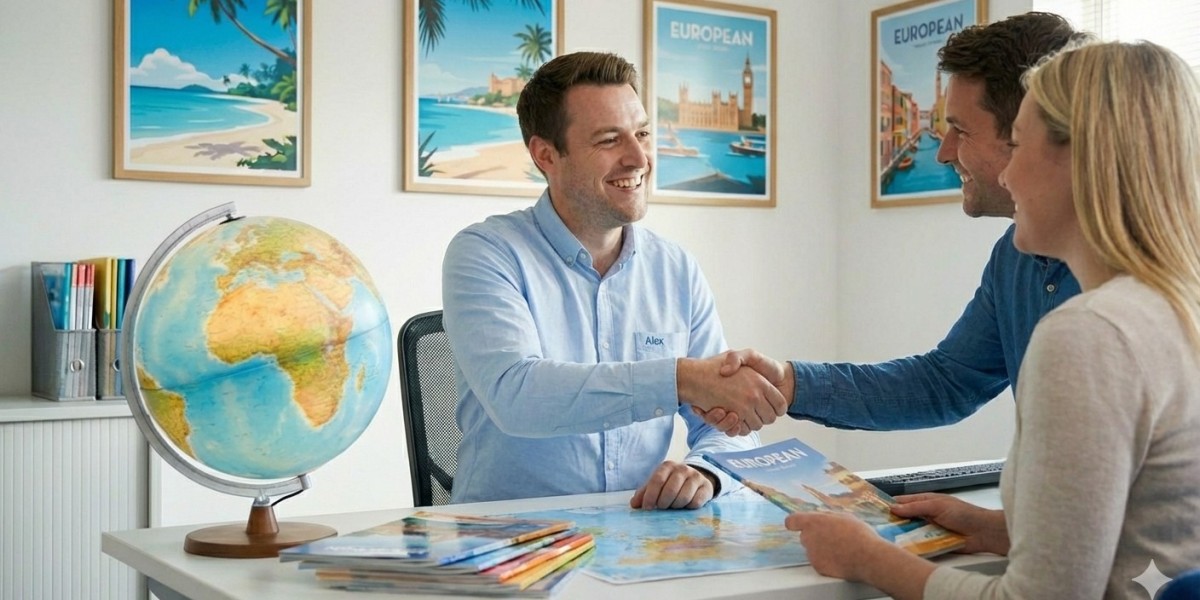
Not every beautiful location is suitable for a remote work package. Travel agents must research destinations that offer a favorable "digital nomad" infrastructure, which includes safe environments, reliable public transportation, and a community of like-minded professionals. Countries that have introduced specific "Digital Nomad Visas" are excellent candidates for these packages, as they often have a more developed ecosystem for long-term visitors. The agent's role is to act as a consultant, advising clients on time zone differences that might affect their meeting schedules and local laws regarding remote employment. Developing this level of expertise is a core part of modern professional development. Through comprehensive travel agent training, consultants learn how to analyze global trends and identify emerging hubs that offer the best balance of cost-of-living and quality-of-life for their corporate clients.
Curating Wellness and Social Integration
One of the biggest challenges for remote work travelers is social isolation. When you move your office to a foreign country, you lose the "water cooler" moments of a traditional office. A smart travel agent adds value to their packages by facilitating social integration. This can be achieved by including invitations to local networking events, "meet-the-locals" dinners, or group fitness classes like morning yoga or weekend hiking clubs. Wellness should also be a central theme; packages that include healthy meal plans, gym access, or even ergonomic equipment rentals (like laptop stands or external monitors) show a deep understanding of the client's physical needs. By addressing both the social and physical health of the traveler, an agent moves from being a simple booking service to a vital partner in the traveler’s professional lifestyle.
Marketing to the Modern Corporate Nomad
Marketing these packages requires a shift in tone and platform. Traditional travel advertising focuses on "getting away from it all," but workation marketing should focus on "taking it all with you, but better." Visuals should feature clean, bright workspaces with a view, alongside the standard sunset shots. Testimonials from other remote workers are incredibly persuasive in this niche. Agents should also target corporate HR departments, as many companies are now offering "work from anywhere" weeks as a staff perk. Being able to offer a turnkey solution for an employee to work from a villa in Tuscany or a beach house in Bali—complete with guaranteed 5G and a functional desk—is a powerful proposition in the modern talent war. This strategic approach to niche marketing is often a focal point for those pursuing advanced career paths in the industry.
The Future of Remote Work Travel
As the boundaries between life and work continue to blur, the demand for specialized travel packages will only grow. We are likely to see the rise of "workation hotels" and dedicated nomad villages that are designed from the ground up for the professional traveler. For travel agents, staying ahead of this curve is essential. The industry is moving away from generic transactions and toward high-touch, specialized consultancy.