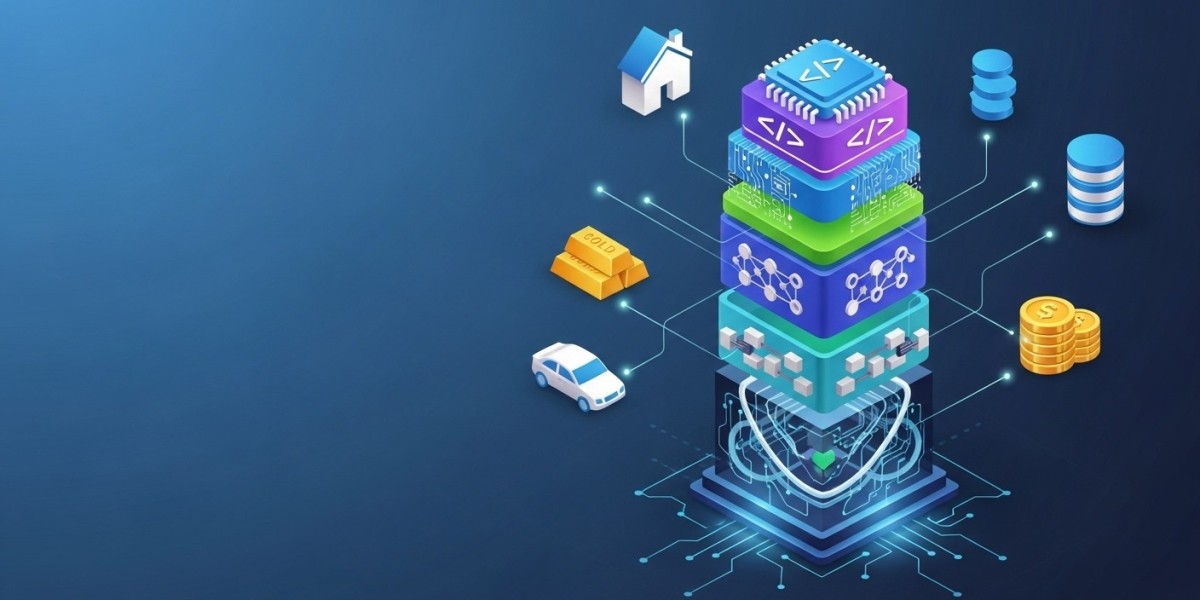

Real World Asset Tokenization is moving from concept to execution across industries such as real estate, commodities, private equity, and debt markets. Investors, enterprises, and financial institutions are paying close attention to how physical and financial assets are represented digitally and traded through blockchain-backed systems. Behind this shift lies a layered technology stack that supports asset digitization, compliance, ownership tracking, and transaction execution.
This article examines the technical foundation behind RWA Tokenization, breaking down each layer that supports its operation. From blockchain infrastructure to smart contracts and data oracles, every component contributes to how assets are issued, managed, and exchanged in tokenized form.
Understanding the Foundation of Real World Asset Tokenization
Real World Asset Tokenization refers to the process of converting rights to physical or financial assets into digital tokens recorded on a blockchain network. These tokens can represent ownership, debt claims, revenue rights, or fractional interests.
The idea is simple in theory, but execution requires coordination between legal systems, financial frameworks, and software infrastructure. A RWA Tokenization Company typically integrates multiple systems to handle identity verification, asset custody, regulatory compliance, and digital transactions.
The technology stack that supports this process can be divided into several layers. Each layer handles a distinct function, yet all operate together to maintain accuracy and security.
Blockchain Infrastructure Layer
At the base of any RWA Tokenization platform lies a blockchain network. This is where tokenized assets are recorded, transferred, and verified.
Public blockchains such as Ethereum are widely used due to their established ecosystem and developer tools. However, private or permissioned blockchains are also used, especially when regulatory requirements demand controlled access.
The blockchain layer records every transaction in an immutable ledger. Once an asset is tokenized, ownership transfers are updated on this ledger, reducing dependency on intermediaries.
RWA tokenization platform development often involves selecting the right blockchain based on transaction costs, speed, governance structure, and compliance needs. A RWA tokenization development company evaluates these factors before implementation.
Smart Contract Layer
Smart contracts act as the logic engine of Real World Asset Tokenization Services. These are self-executing programs stored on the blockchain that define how tokens behave.
They manage functions such as:
- Token issuance and burning
- Ownership transfer
- Dividend or interest distribution
- Access restrictions for regulated assets
For example, a token representing a real estate asset may include conditions that restrict transfers to verified investors only. Smart contracts enforce these rules automatically.
RWA token development relies heavily on secure and audited smart contracts. Any flaw in contract logic can lead to financial or legal risks, which is why testing and validation are critical.
Asset Digitization and Token Standards
Token standards define how assets are represented on a blockchain. Common standards include ERC-20 for fungible tokens and ERC-721 or ERC-1155 for non-fungible assets.
In Real World Asset Tokenization, both fungible and non-fungible structures are used depending on the asset type. For instance:
- Real estate shares may use fungible tokens
- Unique assets like artwork may use non-fungible tokens
RWA Tokenization Services often involve designing hybrid token models that combine features of both standards. This ensures flexibility in ownership structures and trading mechanisms.
The digitization process also includes mapping legal ownership rights to digital tokens. This step connects the physical asset with its blockchain representation.
Data Oracles and External Data Integration
Blockchains cannot directly access external data. This is where oracles come into play. Oracles act as bridges between off-chain data and on-chain systems.
In RWA Tokenizaion development, oracles provide information such as:
- Asset valuation updates
- Interest rate changes
- Legal status or ownership verification
For example, a tokenized bond may require periodic interest payments based on external financial data. Oracles supply this information to smart contracts, which then execute payments accordingly.
Reliable data feeds are critical. Inaccurate or delayed data can affect token pricing and investor trust.
Identity Verification and Compliance Layer
Regulatory compliance is a major aspect of Real World Asset Tokenization. Unlike cryptocurrencies, tokenized assets often fall under securities regulations.
To meet these requirements, platforms integrate identity verification systems. These systems handle:
- Know Your Customer checks
- Anti-Money Laundering screening
- Investor accreditation
A RWA tokenization development company typically incorporates compliance modules that restrict access based on jurisdiction and investor status.
This layer ensures that only eligible participants can buy or trade tokenized assets. It also maintains records for audits and regulatory reporting.
Asset Custody and Legal Structuring
Tokenization is not only a technical process. It also requires legal frameworks to define ownership rights.
Assets are usually held by custodians or special purpose entities. These entities maintain legal ownership while issuing tokens that represent fractional rights.
Real World Asset Tokenization Services often include legal structuring that aligns digital tokens with real-world ownership. This ensures that token holders have enforceable claims.
Custody solutions may include:
- Third-party custodians
- Digital asset wallets
- Multi-signature security systems
This layer bridges the gap between blockchain records and legal ownership.
Payment and Settlement Systems
Transactions in RWA Tokenization involve both digital tokens and fiat currency. Payment systems must support this dual structure.
Stablecoins are often used for settlement because they maintain a consistent value relative to fiat currencies. This reduces volatility during transactions.
Payment gateways and banking integrations are also part of the stack. These systems allow users to deposit and withdraw funds while interacting with tokenized assets.
RWA tokenization development services include integrating payment systems that comply with financial regulations and support global transactions.
User Interface and Application Layer
The front-end interface is where users interact with the platform. This includes dashboards for investors, asset managers, and administrators.
Features typically include:
- Asset listings and details
- Investment tracking
- Transaction history
- Portfolio management
A well-designed interface simplifies complex blockchain processes for users. It hides technical details while providing clear access to asset data and transactions.
RWA Tokenization Company platforms focus on usability to attract both retail and institutional participants.
Security Infrastructure
Security plays a major role in the success of any tokenization platform. Multiple layers of protection are implemented to safeguard assets and user data.
These include:
- Smart contract audits
- Encryption protocols
- Multi-factor authentication
- Network monitoring
Security measures extend beyond software. Operational practices such as access control and incident response planning are also part of the system.
RWA token development requires continuous monitoring to address vulnerabilities and maintain system integrity.
Interoperability and Cross-Platform Integration
As tokenized assets gain traction, the need for interoperability becomes more apparent. Different platforms and blockchains must communicate with each other.
Cross-chain bridges and APIs allow tokenized assets to move across networks. This increases liquidity and expands market access.
RWA tokenization platform development often includes integration with external systems such as:
- Exchanges
- Custody providers
- Financial institutions
Interoperability supports broader adoption by connecting isolated ecosystems.
Analytics and Reporting Systems
Data analytics tools help platform operators and investors make informed decisions. These systems track performance metrics and generate reports.
Analytics may include:
- Asset valuation trends
- Trading volume
- Investor activity
Regulatory reporting is another critical function. Platforms must provide accurate records for compliance purposes.
RWA Tokenization Services incorporate analytics tools that support both operational management and investor insights.
Challenges in the Tech Stack
Despite its potential, Real World Asset Tokenization faces several technical and operational challenges.
Integration complexity is one of the main issues. Combining blockchain systems with traditional financial infrastructure requires careful planning.
Regulatory uncertainty also affects development. Different jurisdictions have varying rules for tokenized assets.
Data reliability is another concern. Since smart contracts depend on external data, the accuracy of oracles becomes critical.
RWA tokenization development company teams must address these challenges through testing, partnerships, and continuous updates.
The Role of RWA Token Development in Future Markets
RWA token development is gradually becoming a significant part of digital finance. Institutions are experimenting with tokenized bonds, real estate, and private equity funds.
The underlying tech stack will continue to evolve as new tools and standards emerge. Improvements in blockchain efficiency, compliance frameworks, and interoperability will influence adoption rates.
RWA Tokenization Company solutions are expected to integrate more deeply with existing financial systems. This will make tokenized assets more accessible to a wider range of investors.
Conclusion
Real World Asset Tokenization operates on a multi-layered technology stack that combines blockchain infrastructure, smart contracts, compliance systems, and external data integration. Each layer contributes to how assets are digitized, managed, and traded.
RWA Tokenization Services involve more than token creation. They require coordination between technical systems, legal structures, and financial processes. From identity verification to payment settlement, every component plays a role in maintaining accuracy and trust.
As interest in tokenized assets continues to grow, the importance of a well-structured technology stack becomes even more apparent. Businesses entering this space must understand how each layer functions and how they work together within a unified system.
RWA tokenization development services will likely expand alongside market demand, shaping how assets are accessed and exchanged in the years ahead.