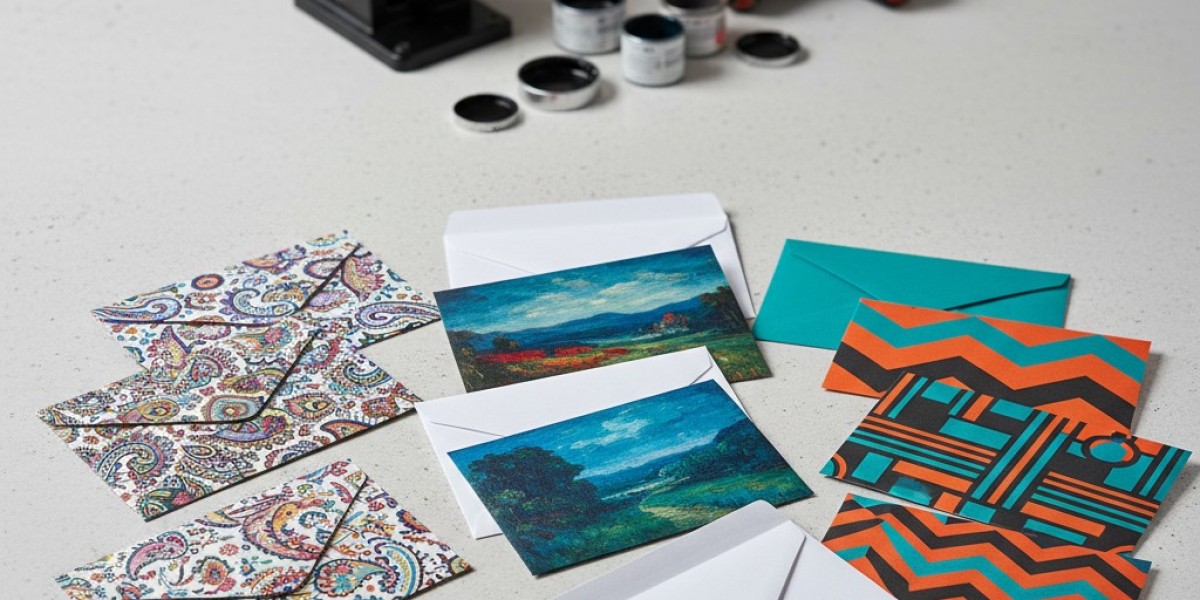

In a world where first impressions count, printed envelopes remain a powerful tool for branding and communication. Whether you're sending bulk mailings, branded business correspondence, event invitations, or promotional materials, choosing the right envelope printing method can make all the difference. In this blog, we’ll explore the main envelope printing techniques — digital printing, litho printing, litho overprint, litho conversion, and flexo printing — breaking down what they involve, when to use them, and how they can benefit your business.
Why Printed Envelopes Still Matter
Printed envelopes are more than just mailing carriers — they’re an extension of your brand. They help to:
- Strengthen brand identity with logos, colours, and a consistent style
- Increase open rates, particularly for direct mail campaigns
- Showcase professionalism to clients, partners, and prospects
- Deliver key messages before the envelope is even opened
In short, well-designed printed envelopes can elevate your marketing efforts and business communications.
Main Envelope Printing Methods Explained
Let’s take a closer look at the most common printing methods available today.
1. Digital Envelope Printing
Digital printing is one of the most flexible and cost-effective options, particularly for small to medium print runs.
- How it works: Designs are sent directly from a digital file to a digital press — no need for printing plates.
- Best use cases: Small print runs, personalised or variable data printing (e.g., individual names or addresses), and jobs requiring fast turnaround times.
- Pros:
Quick setup
Ideal for short runs
Excellent for high-resolution, detailed graphics
- Cons:
Can be more expensive per unit for very large volumes
Digital printing is perfect when you need flexibility, offering options like full-colour logos, contact details, or even unique text on each envelope.
2. Litho Envelope Printing (Offset)
Litho printing, also referred to as offset printing, is traditionally the preferred method for achieving sharp, high-quality results.
- How it works: A metal plate transfers images to a rubber blanket, which then prints them onto the paper.
- Best use cases: Medium to large print runs that require outstanding print quality and rich colour depth.
- Pros:
Exceptional print consistency
Highly accurate colour reproduction
Cost-effective for larger volumes
- Cons:
Longer setup time
Not ideal for very small print runs
Litho printing remains a popular choice for branded envelopes where quality and presentation are critical — especially for businesses with established brand guidelines.
3. Litho Overprinting
Litho overprinting is a specialised technique where paper is lithographically printed before being converted into finished envelopes.
- How it works: The design is printed on flat sheet stock using litho presses and is then converted into envelopes.
- Pros: Allows for high colour accuracy and full-colour process printing Excellent for unique, custom designs that require visual precision
- Ideal for: Marketing mailers, luxury branding projects, or fine detail graphics
This approach is essentially litho printing focused specifically on delivering premium results for envelope stocks before they're assembled.
4. Litho Conversion
Litho conversion takes litho overprinting a step further by combining the printing and envelope creation process.
- How it works: Printed flat litho sheets are converted (cut, glued and folded) into fully formed envelopes.
- Benefits: Efficiency in integrated production Maintains high print quality Better alignment and registration of the design
This is ideal for complex designs or full-coverage graphics where printing first and converting later produces cleaner results with high-register accuracy.
5. Flexo Envelope Printing
Flexographic printing (often called flexo) is a workhorse in the envelope printing world.
- How it works: Flexible plates transfer ink directly onto the paper—often while the envelope is being folded.
- Best use cases: Large print runs and simple designs.
- Pros:Highly cost-effective for large quantities Fast production speeds Suitable for basic text, logos and branding elements
- Cons: Not as sharp or detailed as litho or digital for complex graphics
Flexo shines for items such as standard business envelopes with simple logotypes or address prints—especially when ordering in bulk.
Digital vs Litho vs Flexo — How to Choose
Selecting the best print method depends on your needs:
Method | Best For | Volume | Quality |
|---|---|---|---|
Digital | Short runs, variable data | Low-Medium | Very good |
Litho | High-quality branding | Medium-High | Excellent |
Flexo | Cost-efficient bulk jobs | High | Good |
Quick tip: If you need personalised envelopes with names or codes, digital is ideal. If you want premium colour prints in bulk, litho is the better choice. For simple designs at huge scale, flexo wins on price and speed.
Practical Uses for Printed Envelopes
Printed envelopes are not just for sending statements — they have many applications:
- Corporate branding
- Event invitations
- Direct marketing campaigns
- Business correspondence
- Product packaging inserts
A well-printed envelope can make a lasting impression before your recipient even opens it.
Frequently Asked Questions (FAQs)
1. What types of files do I need for envelope printing?
Most printers accept vector formats (like PDF, AI, EPS) for crisp graphics and high-resolution images (300 dpi or above). Ask your printer for template sizes and bleed requirements.
2. Can you print envelopes in full colour?
Yes — digital and litho printing can reproduce full-colour CMYK designs, whilst flexo can print up to several spot colours depending on the equipment.
3. Which printing method is the cheapest?
For small quantities, digital printing is usually the most affordable. For large orders, flexo and litho become more cost-effective per unit due to lower production costs at scale.
4. How long does printing take?
The turnaround time varies based on the method, quantity, and complexity. Digital has the fastest setup, whilst litho and flexo require more time for plates and setup.
5. Can I personalise each envelope?
Absolutely! Digital printing is the best method for variable data printing — such as unique addresses, names, or codes.
Final Thoughts
Envelope printing is both an art and a science. By understanding the differences between digital, litho, litho overprint/conversion, and flexo printing, you can choose the right solution that fits your budget, quantity needs, and quality expectations.
Whether you want a high-end branded look or a cost-effective bulk mailing solution, there’s a printing method built for your project. Know your goals, explore your options, and make print work for you.