
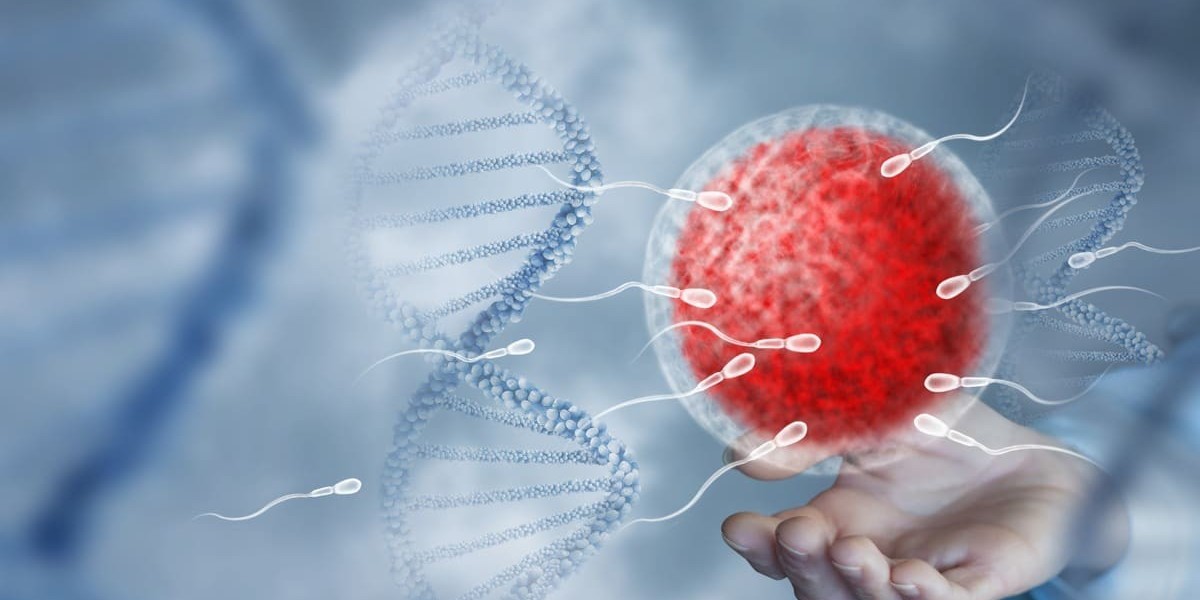

Male reproductive health is an essential part of family planning, yet it’s often a topic men hesitate to discuss. Today, infertility is a growing concern that affects millions of couples worldwide, and around 40% of cases involve male factors. The good news? With modern diagnostics and advanced treatment options, men have more solutions than ever to overcome reproductive challenges.
In this article, we explore the causes, symptoms, diagnosis, and treatment options for male infertility helping men understand their choices and take confident steps toward parenthood.
What Is Male Infertility?
Male Infertility refers to a condition where a man struggles to achieve a pregnancy with his partner due to problems with sperm production, function, or delivery. This is a common medical issue and can stem from hormonal imbalances, medical conditions, lifestyle factors, or anatomical problems.
In many cases, men don’t experience obvious symptoms, which is why timely evaluation is crucial. Clinics like UPNT provide comprehensive assessments to identify the exact cause and create an effective treatment plan. Their advanced approach ensures accurate diagnosis and a clear understanding of available solutions.
Common Causes of Male Infertility
Multiple factors can affect a man’s reproductive system. Some of the most common include:
1. Low Sperm Count
A low sperm count reduces the odds of sperm reaching and fertilizing the egg.
2. Poor Sperm Motility
Motility refers to how effectively sperm move. Poor motility makes fertilization more difficult.
3. Abnormal Sperm Morphology
Irregular sperm shape can affect the ability to penetrate the egg.
4. Hormonal Imbalances
Testosterone, FSH, and LH levels all play significant roles in sperm production.
5. Varicocele
Enlarged veins in the scrotum can heat up the testicles and lower sperm quality.
6. Infections
STIs, prostatitis, or past infections can damage reproductive organs.
7. Genetic Factors
Chromosomal abnormalities may impact fertility.
8. Lifestyle Factors
Smoking, excessive alcohol, obesity, stress, and drug use can affect sperm health.
9. Medical Treatments
Chemotherapy, radiation, and certain medications may affect fertility.
Understanding the cause is the first step toward finding a successful treatment solution.
Symptoms of Male Infertility
Most men with infertility have no visible symptoms, but common signs may include:
Difficulty conceiving after 12 months of unprotected intercourse
Testicular pain or swelling
Erectile dysfunction
Low libido
Decreased facial or body hair
History of genital infections
Problems with ejaculation
Even without symptoms, a professional evaluation is recommended if pregnancy has not occurred after one year.
How Male Infertility Is Diagnosed
A complete evaluation typically includes:
1. Medical History Review
Doctors assess lifestyle factors, medications, surgeries, and symptoms.
2. Physical Examination
Checks the testicles and reproductive organs for abnormalities.
3. Semen Analysis
Measures sperm count, mobility, volume, and shape—one of the most important tests.
4. Hormone Tests
Evaluates testosterone and reproductive hormone levels.
5. Ultrasound
Used to detect issues like varicocele or blockages.
6. Genetic Testing
Recommended in cases of extremely low sperm count.
Specialized clinics like UPNT offer cutting-edge diagnostic tools to ensure accurate results.
Effective Treatment Options for Male Infertility
The right treatment depends on the underlying cause. Common options include:
1. Medications
Hormonal treatments or antibiotics for infections.
2. Lifestyle Changes
Quitting smoking, reducing stress, improving diet, and maintaining a healthy weight.
3. Surgery
Procedures to fix varicocele, remove blockages, or repair structural problems.
4. Assisted Reproductive Techniques (ART)
Modern fertility treatments help couples conceive even with severe male infertility.
Popular options include:
Intrauterine insemination (IUI)
In vitro fertilization (IVF)
Intracytoplasmic sperm injection (ICSI)
5. Sperm Retrieval Techniques
For men with extremely low or zero sperm count, specialists may retrieve sperm directly from the testicles.
Advanced centers like UPNT provide state-of-the-art treatments personalized for each patient’s needs.
Preventing Male Infertility: Practical Tips
While not all causes are preventable, healthy lifestyle choices can significantly improve reproductive health:
Maintain a balanced diet
Exercise regularly
Avoid hot tubs or prolonged heat exposure
Limit alcohol consumption
Avoid smoking and recreational drugs
Reduce stress
Get regular medical checkups
These simple habits help maintain hormone balance and support healthy sperm production.
When to See a Specialist
You should consult a fertility specialist if:
You’ve tried to conceive for 12 months without success
You experience testicular pain or swelling
You have a history of STIs or reproductive surgeries
You have symptoms of hormonal imbalance
You’ve undergone cancer treatments
Early evaluation leads to more successful outcomes.
Conclusion
Male infertility is more common than many people realize, but it is also highly treatable with the right approach. Understanding the underlying causes and seeking expert evaluation can open the door to effective solutions and renewed hope for parenthood. With advancements in diagnostics and treatment, men today have more options than ever before.
Trusted clinics like UPNT.com offer comprehensive testing, advanced fertility treatments, and supportive care tailored to each patient’s unique needs. With professional help and the right treatment plan, many men can successfully overcome infertility challenges and achieve their dream of starting a family.
FAQs About Male Infertility
1. Can lifestyle changes improve male infertility?
Yes. Improving diet, reducing alcohol, avoiding smoking, and managing stress can significantly enhance sperm quality.
2. Is male infertility permanent?
Not always. Many causes are treatable through medication, surgery, or assisted reproductive techniques.
3. How long does it take to get results from fertility treatment?
Timelines vary depending on the treatment, cause, and individual health conditions. A specialist can give a personalized estimate.
4. Does age affect male fertility?
Yes. While men remain fertile longer than women, sperm quality declines with age, especially after 40.
5. What is the most accurate test for male infertility?
A semen analysis is the primary and most reliable test, often combined with hormonal and imaging assessments.