

Retail shelves overflow with competing products fighting for customer attention every single day. Learning how to make products stand out in a crowded retail store determines success. Eye catching presentations separate winners from items shoppers ignore completely during their shopping trips. Strategic choices in color, placement, and design guide customers toward your products naturally. Understanding shopper psychology helps brands capture attention in seconds before people move on. Small changes create big differences in how customers perceive and choose your offerings.
Why Does Packaging Color Affect Purchase Decisions?
Bright colors grab attention from across aisles in busy retail environments quickly. Red creates urgency and works well for clearance items or limited offers. Blue builds trust for products where safety or reliability matters most. Yellow attracts eyes but too much can overwhelm shoppers browsing through options. Contrast against surrounding products makes your items pop visually on crowded shelves. Test different color combinations to see which ones increase sales in stores. Color choices should match both your brand identity and customer expectations together.
How Does Eye Level Placement Increase Product Visibility?
Items at eye level sell three times more than products placed higher or lower. Retailers charge premium fees for eye level shelf space because it works consistently. Negotiate with store managers for better placement during product launches or promotions. Children's products need lower placement to match their natural viewing angles exactly. Monitor competitor placement and adjust your strategy to stay visible always. Track sales data by shelf position to prove placement value to retailers.
What Makes Bold Typography Capture Shopper Attention?
Large, simple fonts communicate product names from several feet away in aisles. Complicated scripts or tiny text get ignored by shoppers moving quickly through stores. Product benefits should appear in readable sizes on front facing package surfaces. Limit text to three key points so customers grasp value instantly. Font choices should reflect your brand personality while maintaining clear readability always. Test packaging visibility from typical shopping distances before finalizing any design decisions.
How Do Unique Shapes Break Through Visual Clutter?
Unusual package shapes disrupt the visual monotony of rectangular boxes on shelves. Distinctive forms make products recognizable even from oblique viewing angles in stores. Shape changes attract hands because people want to touch interesting objects naturally. Ensure unique shapes still fit standard retail shelving without causing stocking problems. Balance creativity with practical considerations like shipping costs and storage efficiency requirements. Upacked provides solutions that combine unique design with functional retail packaging needs. Memorable shapes become brand signatures that customers recognize across different product lines.
Why Does Clear Product Visibility Drive Sales Numbers?
Window packaging lets customers see actual products instead of relying on pictures. Transparent areas build trust by proving quality before purchase decisions get made. Show the most appealing part of your product through strategically placed windows. Avoid windows that reveal unattractive manufacturing details or product flaws to customers. Clear packaging works especially well for food, cosmetics, and craft supplies today. Balance visibility with protection so products reach customers in perfect condition always.
What Role Does Lighting Play in Product Appeal?
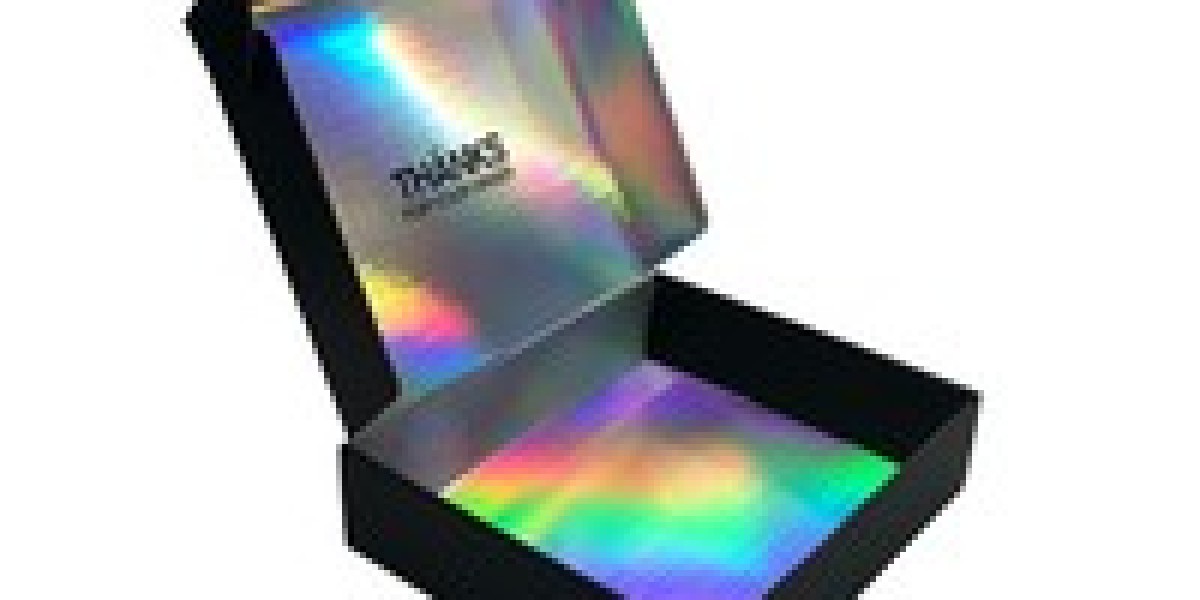
Reflective surfaces catch overhead store lighting and draw eyes toward your products. Matte finishes can disappear under harsh fluorescent lights in retail environments. Test how packaging looks under typical store lighting before mass production begins. Metallic accents add premium perception without significantly increasing production costs for manufacturers. Some brands use Custom Printed Holographic Boxes to create eye catching light effects. Consider how your packaging performs in both bright and dimly lit areas. Lighting interaction affects whether customers notice your products or walk past them.
How Does Strategic Grouping Influence Buying Behavior?
Place complementary products together to suggest complete solutions for customer needs naturally. Cross merchandising with popular items exposes your brand to their established customer base. End cap displays receive more attention than mid aisle placements in stores. Seasonal groupings help customers imagine using products for upcoming events or holidays. Request premium display locations during your peak selling seasons for maximum impact. Work with retailers to create dedicated brand sections when product lines expand. Strategic placement in USA retail stores can double sales compared to random positioning.
Why Do Point of Purchase Displays Boost Impulse Sales?
Free standing displays near checkout areas capture last minute purchase decisions effectively. Countertop displays put small items at hand level where customers grab them. Custom displays communicate brand identity better than generic store fixtures ever can. Provide retailers with display units that make stocking and maintaining inventory easier. Ensure displays stay fully stocked because empty units waste valuable retail space. Rotate display designs regularly so repeat customers notice new products or promotions. Point of purchase materials can increase impulse buys by forty percent typically.
What Makes Consistent Branding Build Customer Recognition?
Uniform colors and logos across product lines help customers find your brand. Recognition happens faster when visual elements remain consistent throughout your entire range. Strong branding lets customers identify products from distinctive design elements alone quickly. Various metalized cardboard boxes can still maintain consistent brand identity through unified design. Avoid frequent redesigns that confuse loyal customers looking for familiar packaging styles. Build brand equity over time through reliable visual presentation in every location. Consistency transforms first time buyers into repeat customers who actively seek products.
Conclusion
Learning to make products stand out in a crowded retail store requires strategic thinking. Color choices, placement, and typography work together to capture customer attention immediately. Unique shapes and clear visibility differentiate products from dozens of competing options. Lighting interaction and strategic grouping guide shoppers toward your offerings naturally every time. Point of purchase displays and consistent branding build recognition that drives repeat purchases. Small investments in packaging and placement generate significant returns through increased sales numbers. Focus on making products impossible to miss when customers walk down crowded aisles. Success in retail depends on visibility that makes products stand out consistently.