
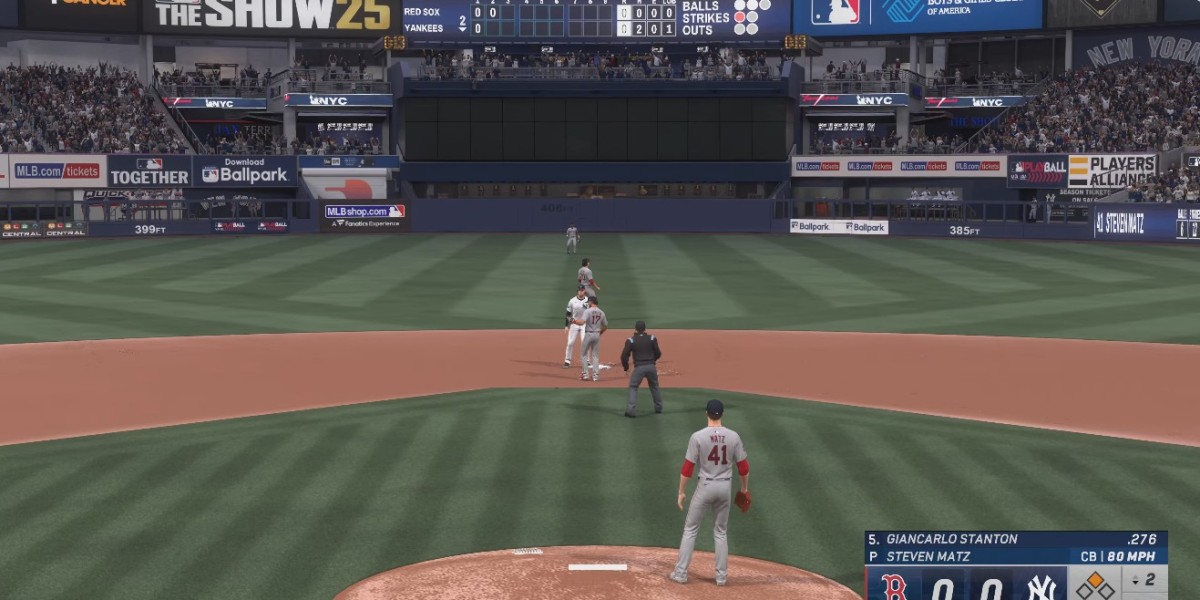

One of the key skills to master in MLB The Show 26 is tracking pitch release points. As a player, knowing how to track a pitcher's release point can make a significant difference in your ability to hit effectively. This article will explain what pitch release points are, how to track them in the game, and provide tips to improve your hitting by reading pitches better. We’ll also dive into common player habits that could help or hinder your ability to read the release point accurately.
What is a Pitch Release Point?
Before diving into tracking techniques, it's important to understand what a release point is. Simply put, the release point is the spot where the pitcher lets go of the ball during their delivery. In real-life baseball, pitchers have different release points depending on their pitching style, arm angle, and mechanics. In MLB The Show 26, this concept is replicated with visual cues that help you anticipate where and when the ball will cross the plate.
Tracking the release point gives you valuable information about the pitch’s speed, movement, and location, which in turn helps you make better decisions on whether to swing, when to swing, and where the ball will end up in the strike zone.
How Do Release Points Appear in MLB The Show 26?
In MLB The Show 26, tracking release points is not something that happens automatically. It’s all about focusing on the pitcher's body and the ball’s trajectory. There are two main visual cues to look for when trying to pick up a pitcher's release point:
The Pitcher's Windup or Delivery: Pay attention to the pitcher’s windup. The way they move their arms or twist their body before releasing the ball will give you hints about the release point. This is often especially important for pitchers with varied delivery styles, such as sidearm or submarine pitchers. Players tend to struggle more when facing pitchers with these types of deliveries because their release points can be harder to track.
The Ball's Trajectory: Once the pitcher releases the ball, watch how the ball moves toward the plate. A lot of players will miss the release point because they're too focused on the ball's path after release. You should try to identify the release point early in the pitcher’s motion to adjust your timing accordingly.
What’s the Importance of Tracking Release Points?
So, why is it so important to track a pitcher’s release point in MLB The Show 26? Well, if you can identify where the pitch is coming from, it becomes much easier to predict its movement. Here’s how it helps:
Pitch Movement: A ball released from a higher angle may have more downward movement, while one coming from a lower angle could have more horizontal movement. By picking up on the release point, you can start to anticipate how the pitch will move, which is critical for hitting breaking balls like curveballs and sliders.
Pitch Speed: Knowing when the pitcher is about to release the ball also helps with timing. If you see the pitcher is releasing the ball from a high release point, there’s a good chance it's a fast pitch, so you should be ready to react quickly. On the other hand, pitches released from a lower or sidearm release point tend to be slower.
Reading the Strike Zone: Pitchers often change their release points to throw pitches in different parts of the strike zone. Tracking the release point closely helps you anticipate which part of the zone the pitch will end up in, making it easier to adjust your swing.
How to Improve at Tracking Release Points
Now that you know why tracking release points is important, let's talk about some practical ways to improve this skill.
1. Start Early
One of the most common mistakes new players make is waiting too long to start tracking the pitch. You should begin focusing on the pitcher’s windup as soon as they start their motion. This gives you more time to pick up the release point and adjust your timing. Don’t wait until the ball is halfway to the plate—start looking for that release point early.
2. Watch the Pitcher's Body
As the pitcher prepares to deliver the ball, pay attention to their body movements. Some pitchers will have subtle cues that help you predict the release point. For example, a pitcher who steps to the side before releasing the ball might throw a curveball or slider, while someone who steps forward might be about to throw a fastball. These small details give you insight into the pitcher’s intentions.
3. Adjust Your Timing
The key to hitting in MLB The Show 26 is timing, and that starts with your ability to read the release point. If you recognize that the pitcher is throwing a fastball from a high release point, you’ll need to adjust your timing and be ready to swing sooner. If it’s a breaking ball, especially one coming from a lower release point, you might want to wait longer and be prepared for the ball to break.
4. Use the Zone to Your Advantage
In MLB The Show 26, the zone helps you track where the ball will end up in the strike zone. As soon as the pitcher releases the ball, use the strike zone to help you gauge where the pitch is headed. Over time, you’ll start recognizing the typical release points of different types of pitches, and it will become second nature.
Common Mistakes When Tracking Release Points
It’s easy to fall into certain habits that hinder your ability to track pitches. Here are a few things to avoid:
Focusing Too Much on the Ball: While it’s important to track the ball, don’t get too fixated on it once the pitcher releases it. Focusing too much on the ball after release can make you miss the initial clues about its movement.
Not Adjusting for Different Pitchers: Every pitcher has a different release point. You may be able to track one pitcher’s release point easily but struggle with another’s. Make sure you pay attention to each pitcher’s unique style and adjust your timing accordingly.
Lack of Patience: Sometimes, players are too eager to swing. It’s important to be patient and wait until you have a clear read on the pitch. Taking a few pitches to observe a pitcher’s release point can give you a significant advantage.
Tracking pitch release points is one of the most critical skills in MLB The Show 26 and can take your hitting to the next level. Whether you’re facing a fastball pitcher or someone with more unpredictable breaking stuff, the ability to identify the release point early gives you a huge advantage in understanding pitch movement and speed. By focusing on the pitcher’s windup, adjusting your timing, and being aware of their mechanics, you’ll start seeing improvement in your ability to hit and make better decisions at the plate.
For players who want to level up quickly and access more features in MLB The Show 26, some turn to purchasing MLB The Show 26 stubs for sale. This can help speed up the process of acquiring better gear and improving your overall experience. Just be sure to always stay sharp and keep practicing. The more you focus on tracking those release points, the better you’ll become at reading pitchers and improving your gameplay.